
California Cannabis Guide: Cannabis, Hash & Concentrates
California has played a major role in the development of modern cannabis culture. The state’s long association with cannabis cultivation, genetics, horticulture, hash-making, and concentrate innovation has helped shape terminology and techniques now recognized around the world.
But what exactly does California cannabis mean?
For some people, the phrase describes cannabis cultivated in California. For others, it refers to a broader culture involving genetics, cultivation, resin production, hash, solventless processing, and the communities that have developed around the plant.
At Cali Plates Official, cannabis education is closely connected to understanding these concepts. The website’s existing content focuses heavily on hash and concentrate categories including dry sift, frozen sift, static sift, and fresh-frozen full melt.
This guide explains the fundamentals behind California cannabis and explores the terminology that surrounds modern hash culture.
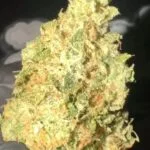
What Is California Cannabis?
California cannabis is not a single variety or product.
The phrase can describe cannabis grown in California, cannabis genetics associated with California breeding, or the wider culture surrounding the state’s cannabis industry.
California’s diverse climate and long history of cultivation have contributed to its reputation as an important center of cannabis genetics and horticulture.
Today, California operates a regulated cannabis market, while individual cities and counties can have additional rules.
That distinction is important when researching cannabis online. Cannabis culture and cannabis regulation are related subjects, but they are not the same thing.
The Importance of Cannabis Genetics
Genetics are one of the foundations of cannabis quality.
Different genetic lines can display significant differences in:
- Plant structure
- Aroma
- Flavor
- Cannabinoid composition
- Terpene profiles
- Resin production
- Flower characteristics
- Trichome development
For hash makers, resin production is particularly relevant because hash is fundamentally connected to the plant’s resin-producing trichomes.
This is one reason discussions about California cannabis frequently include genetics.
A cultivar known for strong resin production may be particularly interesting from a hash-making perspective, while another may be valued primarily for its aroma or flower characteristics.
What Are Cannabis Trichomes?
Trichomes are microscopic structures found on cannabis plants.
They are responsible for producing and storing many of the compounds that make cannabis chemically and aromatically distinctive.
Cannabis trichomes contain cannabinoids, terpenes, and other plant compounds.
When people discuss hash, dry sift, static sift, or other resin-based concentrates, they are essentially discussing ways of separating and preserving these resin-rich structures.
Understanding trichomes therefore provides the foundation for understanding hash.
What Is Cannabis Hash?
Cannabis hash is a concentrated preparation made from cannabis resin.
Traditional hash-making has existed for centuries across different cannabis-producing regions.
Methods have included hand-rubbing, sieving, pressing, and other mechanical approaches.
Modern hash culture has expanded these concepts with more specialized processing terminology.
Today, people may encounter terms such as:
- Dry sift
- Static sift
- Frozen sift
- Ice-water hash
- Full melt
- Fresh frozen
- WPFF
- Rosin
Although these terms are sometimes used interchangeably online, they can describe substantially different processes.
What Is Dry Sift Hash?
Dry sift is one of the most recognizable solventless hash-making approaches.
The general concept involves separating trichome-rich material from dried cannabis through mechanical screening.
The resulting material can contain different proportions of resin and plant material depending on the starting material and processing approach.
Cali Plates Official currently describes its own premium dry sift around fine-mesh separation and a 70–130 micron range.
However, micron numbers alone do not tell the entire story.
Starting genetics, resin quality, maturity, handling, processing, storage, and testing can all influence the characteristics of cannabis concentrates.
What Is Static Sift?
Static sift represents another level of refinement within dry-sift terminology.
Static separation uses electrostatic properties to help separate resin-rich material from unwanted plant particles.
The goal is generally to increase refinement.
The term has become increasingly common within modern hash culture, particularly when discussing highly refined solventless material.
Cali Plates Official’s existing Static Room educational content explains static refinement as a process designed to separate resin glands from lighter plant material.
What Is Frozen Sift?
Frozen sift involves processing cannabis material under cold or frozen conditions.
Modern solventless producers often work with fresh-frozen material because freezing can help preserve characteristics associated with freshly harvested cannabis.
Cali Plates Official currently has a dedicated frozen-sift category and describes its frozen material in terms of flash-freezing and preservation of cannabinoids and terpenes.
The broader concept is important because fresh-frozen processing has become a major part of modern solventless cannabis culture.
What Does WPFF Mean?
WPFF generally stands for Whole Plant Fresh Frozen.
The phrase describes cannabis material that is harvested and frozen while fresh rather than going through the conventional drying process before extraction.
WPFF is frequently associated with ice-water hash and other solventless production methods.
The objective is to preserve the characteristics of fresh cannabis material for later processing.
What Is Full Melt Hash?
Full melt is a term used to describe highly refined hash with melt characteristics that allow a significant portion of the material to liquefy when heated.
The term is often associated with high levels of trichome purity.
However, “full melt” should not be treated as a universal quality guarantee.
Quality depends on starting material, processing, refinement, storage, and other factors.
California Cannabis and Terpenes
Terpenes are aromatic compounds found naturally in cannabis and many other plants.
Common cannabis-associated terpenes include:
- Myrcene
- Limonene
- Caryophyllene
- Pinene
- Linalool
Terpenes contribute to aroma and flavor.
Their presence is one reason two cannabis varieties can smell dramatically different even when they contain similar cannabinoids.
In hash production, terpene preservation is an important consideration because processing and storage can influence volatile aromatic compounds.
California Cannabis Culture
The cultural side of cannabis is broader than commercial products.
California cannabis culture encompasses cultivation, breeding, horticulture, music, art, lifestyle, hash-making traditions, and communities that have developed around cannabis over many decades.
Modern solventless culture is one part of that larger story.
Dry sift, static sift, fresh-frozen processing, and full melt represent a continuing evolution of older hash-making concepts.
The combination of traditional knowledge and modern technology has created an increasingly specialized vocabulary.
How to Evaluate Cannabis Information Online
Cannabis information online can vary significantly in quality.
When researching cannabis, readers should distinguish between:
Marketing claims
These are statements made to promote a product or brand.
Technical descriptions
These explain a process, ingredient, or production method.
Laboratory information
These may provide analytical measurements for cannabinoids, terpenes, and contaminants.
Regulatory information
This comes from government agencies and explains what is legally permitted.
Using multiple types of information makes cannabis research more reliable.
California Cannabis Regulation
California’s legal cannabis system operates under state law and local regulations.
The California Department of Cannabis Control explains that adult-use cannabis is legal for adults 21 and older, subject to applicable rules. Local governments can also impose additional restrictions.
For anyone researching California cannabis, checking official regulatory information is more reliable than relying solely on social media or marketing pages.
Why Cannabis Education Matters
Cannabis terminology can become complicated quickly.
Someone researching “hash” may encounter traditional hash, dry sift, static sift, frozen sift, ice-water hash, rosin, full melt, and other terms.
Understanding the terminology makes it easier to distinguish between different processing concepts.
It also helps readers evaluate claims more critically.
Frequently Asked Questions
What is California cannabis?
California cannabis can refer to cannabis cultivated in California, California-associated genetics, or the broader cannabis culture and industry associated with the state.
What is cannabis hash?
Cannabis hash is a concentrated cannabis preparation made primarily from resin-rich material separated from the plant.
What is dry sift?
Dry sift is a solventless separation technique using screens or sieves to separate trichome-rich material from dried cannabis.
What is static sift?
Static sift is a refinement approach associated with dry sift that uses electrostatic properties to help separate resin from plant particles.
What is frozen sift?
Frozen sift refers to resin separation involving frozen or very cold cannabis material.
What does WPFF mean?
WPFF means Whole Plant Fresh Frozen, describing fresh cannabis material frozen soon after harvest.
What are cannabis trichomes?
Trichomes are small resin-producing structures on cannabis plants containing cannabinoids, terpenes, and other compounds.
Final Thoughts
Understanding California cannabis requires looking beyond the finished product.
Genetics influence the plant. Trichomes contain the resin. Processing determines how that resin is separated. Storage can influence its stability. Regulation determines how cannabis products can legally enter the market.
Hash culture has evolved considerably, but many modern techniques remain connected to traditional principles of resin separation and preservation.
For readers exploring cannabis, learning these fundamentals is a useful starting point for understanding dry sift, static sift, frozen sift, full melt, and other concentrate terminology.
Cali Plates Official’s existing cannabis and hash content provides a useful starting point for exploring these topics in greater detail.