
BEST PHENO BOX by The TenCo: Black Zushi × T-Bone Phenotype Collection
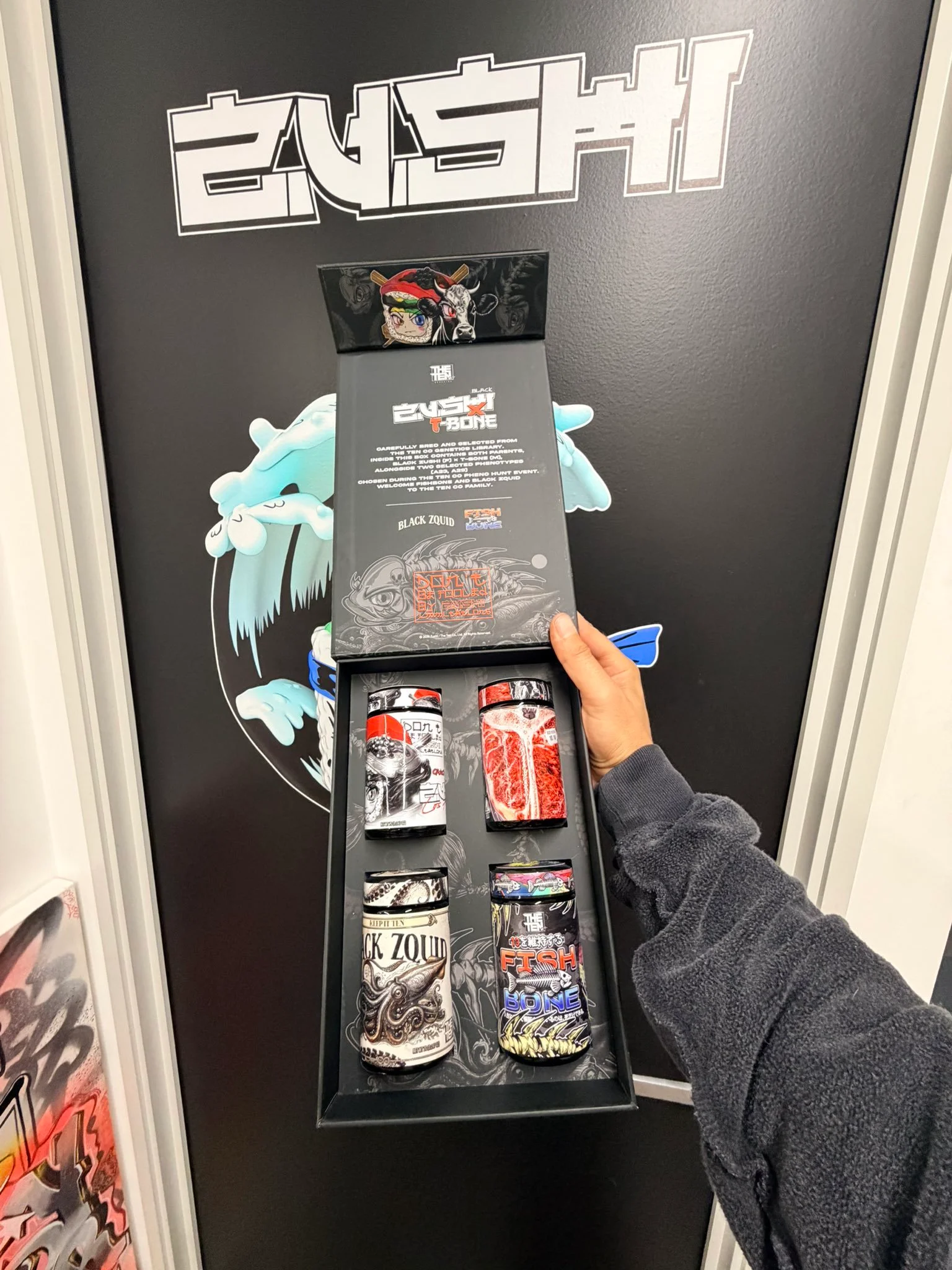
The BEST PHENO BOX by The TenCo is presented as a phenotype-focused cannabis collection designed to showcase the relationship between parent genetics and selected offspring. The collection centers around Black Zushi and T-Bone, alongside two named phenotypes: A23 FishBone and A29 Black Zquid.
From an educational perspective, the collection provides an example of how cannabis breeders evaluate different phenotypes from related genetics. Rather than focusing on a single cultivar, a phenotype collection can demonstrate how inherited traits may differ in aroma, appearance, resin production, structure and other characteristics.
Black Zushi × T-Bone Genetics
Black Zushi is associated with the broader Zushi family and is commonly described through genetics connected with Zkittlez and Kush Mints. These genetics are frequently discussed for their combination of sweet, fruity, minty and earthy characteristics.
T-Bone represents the other side of the breeding combination. Descriptions of T-Bone commonly emphasize dense flower structure and strong gassy, earthy and pine-like aromatic characteristics.
The combination creates an interesting example of modern hybrid breeding, where breeders attempt to combine desirable characteristics from separate genetic lines.
What Is a Pheno Hunt?
A pheno hunt, short for phenotype hunt, is a process used by cannabis breeders and cultivators to identify plants displaying particularly desirable characteristics from a genetic population.
Plants originating from similar genetics can still demonstrate noticeable differences. These differences may involve:
- Flower structure
- Plant architecture
- Resin production
- Aroma
- Terpene expression
- Coloration
- Growth characteristics
- Maturation time
- Cannabinoid and terpene composition
The purpose of phenotype selection is generally to identify plants with distinctive or desirable characteristics that can potentially be studied or preserved for future breeding work.
The Four Featured Genetics
Descriptions of the BEST PHENO BOX identify four featured selections:
Black Zushi
Black Zushi represents the female parent in the described breeding project. It is commonly associated with dark coloration, dense flowers and a combination of sweet, fruity and earthy aromatic characteristics.
T-Bone
T-Bone is identified as the male parent. Descriptions commonly associate this genetic line with dense structure and pronounced gassy, earthy and pine-like aromatic notes.
A23 FishBone
A23 FishBone is described as one of the selected offspring from the breeding project. Its name reflects the FishBone designation used within the collection, while descriptions of the phenotype emphasize resin development and distinctive aromatic characteristics.
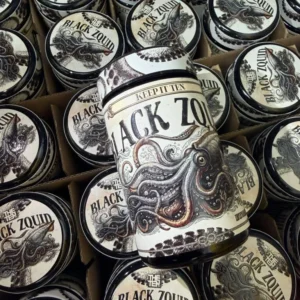
A29 Black Zquid
A29 Black Zquid is the second selected offspring. Its name references the Black Zushi and T-Bone breeding project, while descriptions commonly emphasize dark coloration and a complex combination of earthy, gassy and savory aromatic notes.
Terpene and Aroma Characteristics
The sensory profile associated with the collection can be understood through several commonly discussed cannabis terpenes.
Myrcene is frequently associated with earthy, herbal and musky aromas.
Caryophyllene is known for spicy, peppery and woody aromatic characteristics.
Limonene commonly contributes citrus and bright fruit-like notes.
The relative concentration of these compounds can vary between plants and batches. Consequently, a specific phenotype should not be assumed to have an identical terpene profile to another plant carrying the same genetic name.
Laboratory testing provides a more reliable way to determine the cannabinoid and terpene composition of a particular batch.
Appearance and Resin Development
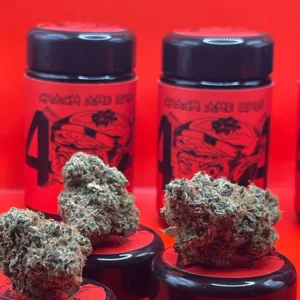
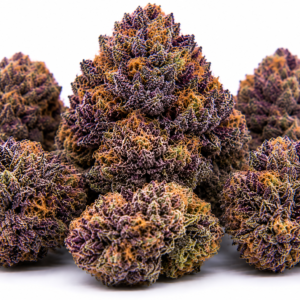
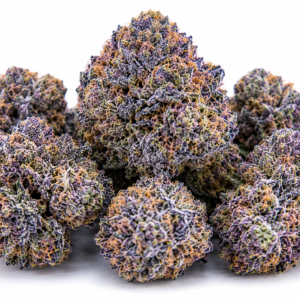
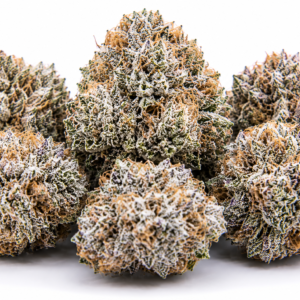
The phenotypes associated with the BEST PHENO BOX are described as having substantial resin coverage and dense flower structures. Visual characteristics such as purple coloration, trichome density and pistil development can contribute to the overall appearance of a cultivar.
However, appearance should not be used as a substitute for laboratory analysis. Color, resin coverage and flower density do not independently establish potency, purity or safety.
Cannabinoid Information
Some descriptions of the collection report elevated THC percentages. Cannabinoid concentrations can vary significantly according to genetics, cultivation conditions, harvesting, curing and laboratory testing methods.
For accurate information, the appropriate reference is the certificate of analysis (COA) associated with the specific batch.
A laboratory report may provide information about:
- THC and THCA
- CBD and CBDA
- Minor cannabinoids
- Terpene concentrations
- Microbial testing
- Residual contaminants
- Other quality-control measurements
Therefore, generalized THC claims should not be treated as universal characteristics of every phenotype in the collection.
Why Phenotype Collections Are Interesting
The educational value of a phenotype collection comes from the opportunity to examine how related genetics can produce different expressions.
A parent plant may display one particular combination of aromas, structure and resin production, while offspring can exhibit different combinations of those characteristics.
Comparing parent genetics with selected offspring can therefore provide useful insight into:
Genetics → Phenotype variation → Selection → Breeding
This process is central to modern cultivar development.
Black Zushi and T-Bone: A Breeding Perspective
The described Black Zushi × T-Bone project demonstrates how breeders can combine contrasting characteristics.
Black Zushi is commonly associated with sweet, fruity, minty and earthy traits, while T-Bone descriptions emphasize gassy, pine-like and heavier aromatic characteristics.
When these genetic lines are combined, different offspring may express different portions of the parental characteristics. This is why phenotype selection remains an important component of cannabis breeding.
Reviews
There are no reviews yet.